The Real Truth: Anker 20 000Mah 87W Power Bank or Samsung Galaxy S25 Edge?
Introduction
Choosing between a high-capacity power bank and a flagship smartphone can be less about picking one over the other and more about understanding which solves the user’s real problems. The Anker 20 000mAh 87W Power Bank and the Samsung Galaxy S25 Edge represent two different approaches to mobile freedom: one extends device uptime across multiple devices, the other packages performance, connectivity, and on-device battery improvements into a single premium handset. This article compares both with an eye toward real-world use cases—commuting, travel, mobile photography, gaming, and professional workflows—so buyers can decide what matters most for their daily lives.
What buyers typically care about
When evaluating a power bank or a flagship phone, buyers often focus on:
- Battery life and charging speed
- Portability and build quality
- Compatibility with existing devices (PD, USB‑C, MagSafe-like accessories)
- Real-world performance for tasks like photography, gaming, or navigation
- Price versus perceived long-term value
- Safety, regulatory compliance (especially for air travel), and warranty
This comparison targets those concerns, translating tech specs into practical impact.
Product overview
Anker 20 000mAh 87W Power Bank — Snapshot
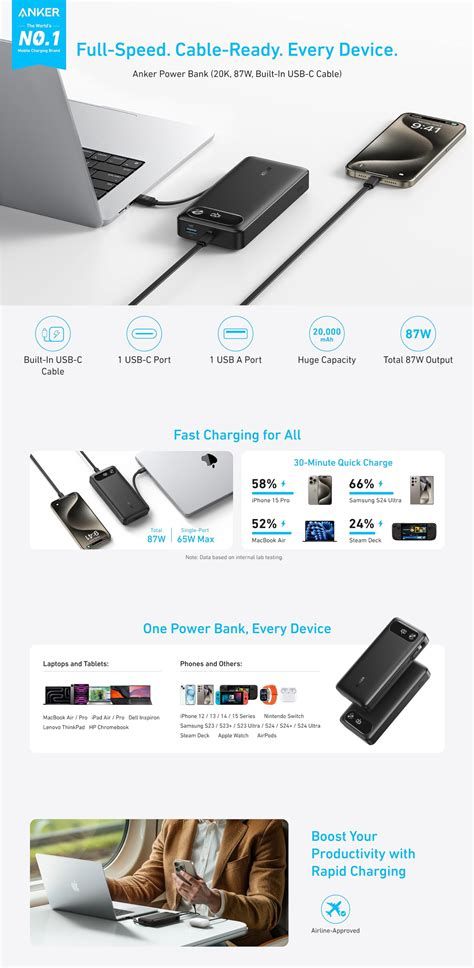
The Anker 20 000mAh 87W is a high-capacity, relatively compact external battery aimed at power users who charge laptops, tablets, and phones on the move. With an approximate 20,000mAh capacity (nominal rating at cell voltage), up to 87W output via USB-C Power Delivery, and multiple ports, it promises to be a one-stop charging solution for a commuter’s bag or a travel kit. Anker emphasizes safety features, fast charging compatibility, and durability.
Samsung Galaxy S25 Edge — Snapshot
The Samsung Galaxy S25 Edge is Samsung’s latest edge‑display flagship in the S-series lineup. It combines a curved OLED display, the newest system-on-chip for Android at its release, a multi-lens camera array optimized for low-light and telephoto performance, and a battery engineered to strike a balance between thinness and longevity. The S25 Edge also includes software features, ecosystem integrations, and wireless charging capabilities that influence how users manage daily power demands.
Detailed analysis — Anker 20 000mAh 87W Power Bank
Performance and capacity: The 20,000mAh rating indicates substantial energy storage, but buyers should remember that rated capacity is at cell voltage (typically 3.7V); usable output at 5V or higher will be lower after conversion losses. Still, this capacity is usually enough for multiple smartphone charges and at least one full charge for many laptops that support USB‑C PD at 45W–65W.
Charging speed and ports: The standout feature is the 87W maximum output, which can fast-charge compatible laptops and charge phones rapidly. Multiple ports allow simultaneous charging—handy for workdays when a phone, tablet, and headphones need topping up between meetings.
Portability: At this capacity and power level, the unit is heavier than pocket-sized chargers but still bag-friendly. Build quality tends to be sturdy, often with a matte or textured shell to resist scratches. For daily commuters, the trade-off is acceptable: a modest increase in weight in exchange for multi-device uptime.
Safety and regulations: For air travel, the typical threshold to be aware of is watt-hours (Wh). A 20,000mAh pack at 3.7V converts to roughly 74Wh (20,000mAh × 3.7V / 1000 = 74Wh), which falls under the common 100Wh limit for carry-on batteries without special airline approval. Anker usually marks Wh on the device and includes certifications like CE and FCC; these are important for peace of mind.
Real-world use cases: The Anker unit excels for business travelers who need to charge a laptop during long flights (when allowed), photographers who run multiple devices in the field, and remote workers who rely on outlets only sporadically. It also benefits gamers using handheld consoles or power-hungry phones during marathon sessions.
Find top-rated Mobile Phones products at great prices.
Browse Now →Pros & Cons — Anker 20 000mAh 87W Power Bank
- Pros: High capacity for multiple charges; 87W PD supports laptops; multiple ports for simultaneous charging; generally airline-friendly Wh rating; robust safety protection.
- Cons: Heavier than pocket chargers; not useful when the core device itself is lost or damaged; charging the power bank itself can take time unless it supports high‑wattage input; bulk may be inconvenient for minimalists.
Detailed analysis — Samsung Galaxy S25 Edge
Battery, charging, and on-device power management: The S25 Edge is engineered with a battery designed to last a full day under typical mixed-use scenarios, and advanced software optimizations extend longevity across charge cycles. Wireless charging and reverse wireless charging add convenience for wireless earbuds and accessories, reducing the immediate need for an external battery in many daily contexts.
Display and power draw: The Edge’s curved OLED panel, often capable of high refresh rates and adaptive refresh, can be one of the largest consumers of battery life. However, adaptive refresh rate management and aggressive background app handling are effective at limiting unnecessary drain during idle times.
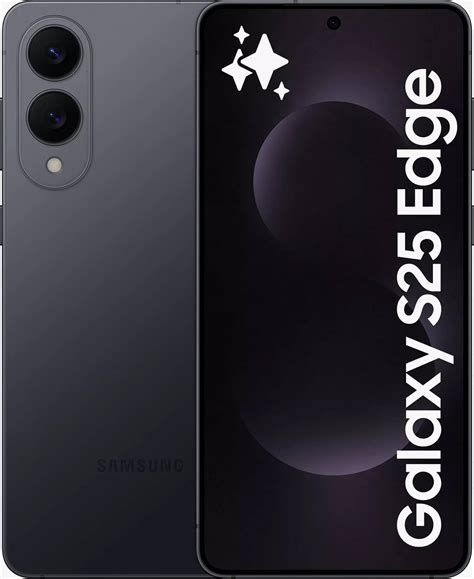
Performance and workflows: For users prioritizing photography, on-device editing, GPS navigation, and resource-intensive apps, the S25 Edge consolidates features so that fewer accessories are needed. The convenience of having high compute, a great camera, and decent battery all in one device reduces the frequency with which users must seek external charging.
Durability and repairability: A flagship phone is a significant investment; battery degradation, accidental damage, and repair costs are real considerations. While a phone cannot replace the charging potential of a separate power bank, choosing a phone with good battery health management and accessible service options reduces the need for frequent topping up from external sources.
Real-world use cases: The S25 Edge is ideal for power users who want superior mobile photography, seamless productivity with on-device apps, and fast connectivity. Travelers who stick to urban environments with easy access to outlets, or those who plan charging opportunities into their day, may find the phone’s battery sufficient without carrying a large power bank every day.
Pros & Cons — Samsung Galaxy S25 Edge
- Pros: Integrated high-performance hardware; excellent cameras and display; wireless charging and ecosystem integration; fewer accessories needed; on-device optimizations reduce external charging dependence.
- Cons: Finite battery capacity compared with dedicated power banks; long sessions of gaming or camera use can still drain the battery quickly; expensive to repair; wireless charging is slower and less efficient than wired PD charging.
Side-by-side comparison
| Feature | Anker 20 000mAh 87W Power Bank | Samsung Galaxy S25 Edge |
|---|---|---|
| Primary purpose | Portable energy reservoir for multiple devices | All-in-one smartphone: communication, camera, apps |
| Battery capacity | 20,000mAh (nominal cell rating; ~74Wh) | Device battery (typical flagship range; designed for one-day use) |
| Maximum wired output | Up to 87W via USB‑C PD | Phone supports fast wired charging (varies by model; less than 87W) |
| Wireless charging | Not applicable (some models support wireless output via accessories, but mainstream units are wired) | Supported (Qi charging and reverse wireless for accessories) |
| Portability | Moderate—intended for bag or carry; heavier than pocket chargers | Pocketable but always carried already as primary device |
| Best for | Travelers, remote workers, photographers charging multiple devices | Users who need high performance, camera quality, and ecosystem features |
| Air travel considerations | Typically under 100Wh limit; carry-on allowed with standard disclosure | No special restrictions beyond standard electronic devices |
Practical buying guide: How to choose
Deciding between investing in an external power bank and relying on a flagship handset comes down to usage patterns and priorities. The following questions help clarify which option aligns with a buyer’s needs.
1. How often is the user away from power for extended periods?
If a user frequently spends long days away from reliable outlets—fieldwork, long-haul flights, or multi-day travel with limited charging access—a high-capacity power bank like the Anker 20 000mAh offers clear value. It not only recharges phones but can top off laptops and accessories.
2. Does the user carry multiple devices?
People who carry a laptop, phone, and wireless earbuds will benefit more from a multi-port power bank. A single S25 Edge cannot simultaneously charge other devices to the level a dedicated charger can.
3. How important is convenience versus redundancy?
A flagship phone reduces accessory clutter. For commuters who can plug in occasionally or plan charges around their day, the S25 Edge may be sufficient. But for redundancy—having a backup when the phone battery is depleted—a power bank provides insurance.
Looking for the best Mobile Phones deals on Amazon?
View Offers →4. Will the user charge laptops or power-hungry equipment?
Only a power bank with high-wattage PD output (like 87W) will reliably charge many modern laptops. If a user needs to charge a laptop on the go, the power bank is essential.
5. Are there airline travel constraints?
Check the Wh rating of the power bank. The Anker 20,000mAh is typically within carry-on limits, but users who travel internationally should confirm airline policies before flight. Phones are generally allowed without restriction.
6. What about long-term cost and repair considerations?
Replacing or repairing a flagship phone is expensive; a power bank is comparatively cheap to replace. For users with fragile lifestyles or high risk of device damage, spreading functionality across devices (phone + power bank) can be more resilient.
7. Does fast charging compatibility matter?
Ensure that both the power bank and the phone support the same charging standards (USB Power Delivery, PPS, etc.) for optimal speeds. Mismatched standards will still charge but at reduced rates.
Real-world scenarios and recommendations
Below are common profiles and which solution typically suits them:
- Frequent traveler / remote worker: Carry both. The S25 Edge serves as the primary device; the Anker power bank ensures prolonged uptime for laptops and extended days without access to outlets.
- Urban commuter with daily access to outlets: The S25 Edge alone is usually sufficient. Fast-charging sessions during the commute or at work are often enough.
- Mobile photographer or content creator: Anker power bank recommended. Multiple devices (camera, phone, gimbal) benefit from high-capacity portable power; 87W output is useful for charging camera batteries or laptops used for editing.
- Casual user who values minimalism: The S25 Edge plus a small backup cable might be the best balance—avoid carrying a large power bank unless occasional long outings are expected.
Final thoughts and conclusion
The question "Anker 20 000mAh 87W Power Bank or Samsung Galaxy S25 Edge?" frames a false dichotomy when interpreted as a strict either/or. They serve complementary roles. The Anker power bank excels where extended uptime across multiple devices is required—travel, fieldwork, and multi-device workflows—thanks to its high capacity and 87W output. The Samsung Galaxy S25 Edge centralizes capability: performance, camera quality, software, and convenience in a single device that minimizes the need for extra hardware in many everyday scenarios.
Ultimately, the right purchase depends on individual priorities. If maintaining productivity across several devices away from reliable power is critical, prioritize the power bank. If consolidated convenience, best-in-class smartphone features, and seamless ecosystem integration are the priority, the Galaxy S25 Edge is the better single-item investment. For many users, the most pragmatic approach is to own both: rely on the S25 Edge for everyday needs and keep a high-capacity power bank in a bag or travel kit for situations where outlet access is uncertain.
Readers should weigh how often they need to charge multiple devices, how important portability is, and whether they prefer redundancy over minimalism. With those considerations in mind, either product can be the right choice for different moments in a modern, mobile life.